Address
304 North Cardinal
St. Dorchester Center, MA 02124
Work Hours
Monday to Friday: 7AM - 7PM
Weekend: 10AM - 5PM
Address
304 North Cardinal
St. Dorchester Center, MA 02124
Work Hours
Monday to Friday: 7AM - 7PM
Weekend: 10AM - 5PM
In an era where sustainability is increasingly prioritized, the concept of upcycling has emerged as a powerful trend, particularly in the realm of furniture. No longer merely a budget-friendly alternative, furniture refurbishment is now considered a luxurious choice for those looking to blend style, history, and sustainability. Here’s why upcycling is the new luxury in the world of interiors.
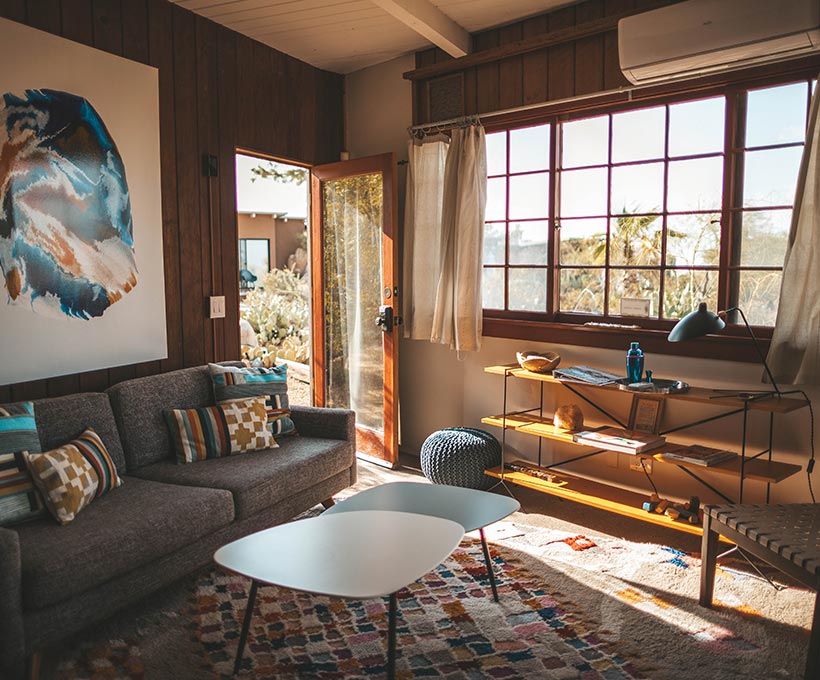
In an era where sustainability is increasingly prioritized, the concept of upcycling has emerged as a powerful trend, particularly in the realm of furniture. No longer merely a budget-friendly alternative, furniture refurbishment is now considered a luxurious choice for those looking to blend style, history, and sustainability. Here’s why upcycling is the new luxury in the world of interiors.
At the heart of the upcycling movement is sustainability. Refurbishing furniture reduces waste by breathing new life into old pieces, preventing them from ending up in landfills. By choosing to refurbish, you’re contributing to a circular economy, where resources are reused and repurposed, minimizing environmental impact. This eco-friendly approach is increasingly appealing to consumers who are conscious of their carbon footprint and eager to make more responsible choices.
In a market saturated with mass-produced items, upcycled furniture offers something truly unique. Each refurbished piece has its own story, character, and history, making it a one-of-a-kind addition to any space. Whether it’s an antique chair reupholstered with modern fabric or a vintage table given a fresh finish, upcycled furniture allows for unparalleled customization. This blend of old and new not only creates a striking aesthetic but also offers a personalized touch that can’t be replicated by off-the-shelf items.
Refurbished furniture often features a level of craftsmanship that’s hard to find in today’s market. Older pieces were typically built with higher-quality materials and greater attention to detail than many modern, mass-produced items. When these pieces are refurbished by skilled artisans, they can be restored to their former glory—or even enhanced—resulting in furniture that’s both durable and beautiful. This focus on quality over quantity elevates upcycling to a luxury experience.
While luxury is often associated with high costs, upcycling offers a unique intersection of value and quality. Refurbishing an existing piece can be far more cost-effective than purchasing new high-end furniture, especially when considering the longevity and uniqueness of the refurbished item. Additionally, many people find that the money saved can be reinvested into other areas of home improvement, allowing for a more comprehensive upgrade of their living space.
In a world where trends change rapidly, upcycling offers a way to honor the past. Refurbishing heirloom furniture or pieces with sentimental value preserves the history and memories embedded in them. This connection to tradition adds depth to interior design, creating spaces that are not only stylish but also rich in meaning and personal significance.
Choosing to refurbish furniture often means supporting local craftsmen and artisans. These skilled professionals bring a wealth of knowledge and expertise to their work, ensuring that each piece is restored with care and precision. By investing in their services, you’re helping to sustain local economies and preserve traditional craftsmanship, making upcycling not just a luxury choice, but a socially responsible one as well.
Trends come and go, but quality and character endure. Upcycled furniture possesses a timeless appeal, blending the charm of the past with the innovation of the present. This enduring style ensures that refurbished pieces remain relevant and cherished for years to come, outlasting the fleeting trends of mass-produced furniture.
Upcycling and furniture refurbishment have evolved from niche interests into mainstream movements that embody luxury in its most authentic form. By choosing to refurbish rather than replace, you’re not only making a sustainable choice but also investing in pieces that are rich in history, character, and craftsmanship. In a world increasingly defined by mass consumption, upcycled furniture stands as a testament to the value of uniqueness, quality, and responsible living. So, the next time you’re considering a furniture upgrade, think beyond the showroom floor—consider the unparalleled luxury of upcycling.

